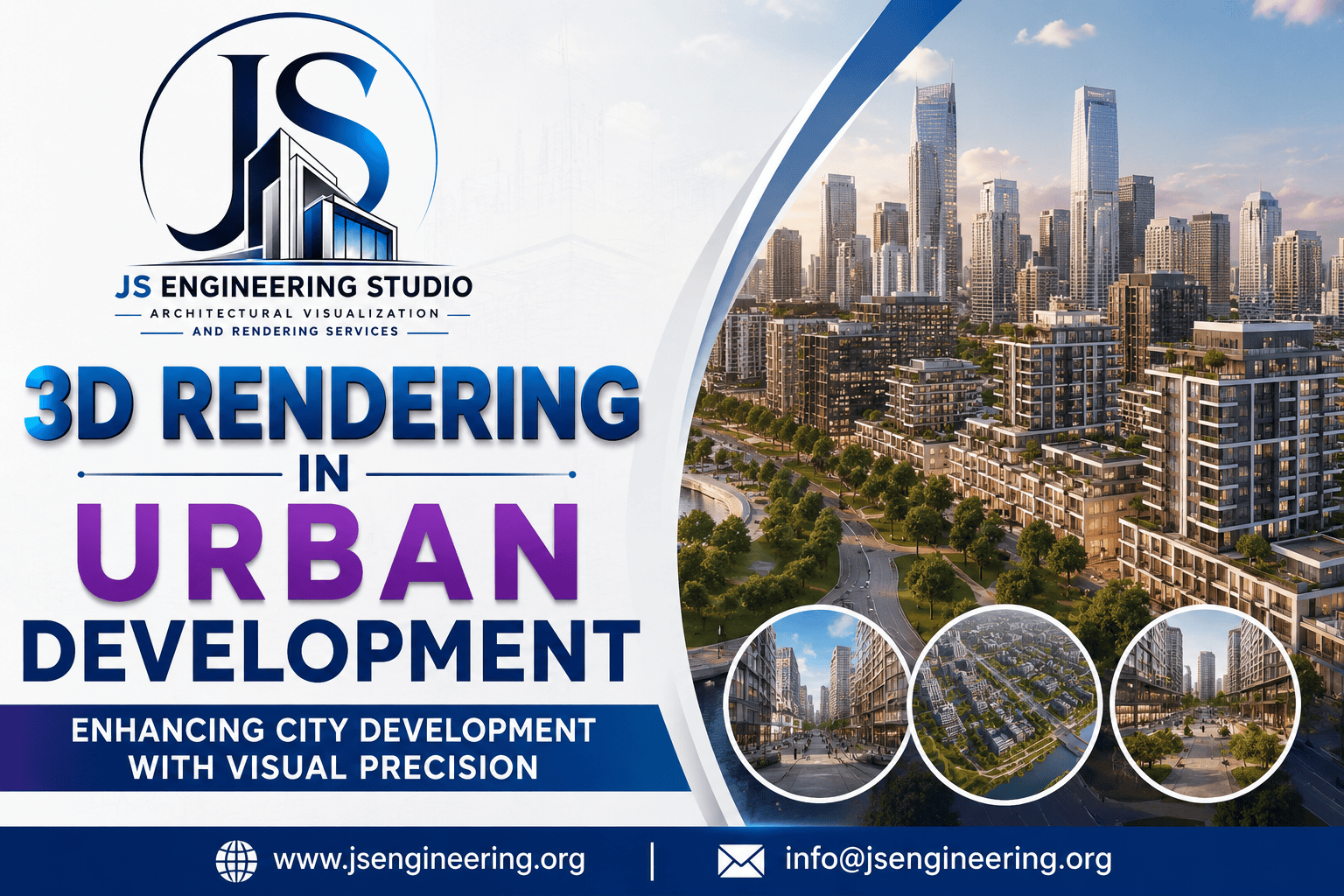
3D Architectural Visualization for Transforming Urban Development in Future Cities

3D rendering is essential in contemporary urban development as it offers intricate visual representations of proposed projects, allowing urban planners to evaluate design effects, replicate real-world scenarios, and foster collaboration.

In today’s rapidly urbanizing world, city planning and development demand precision, foresight, and stakeholder collaboration. 3D rendering technology has emerged as a powerful tool in urban development, revolutionizing how architects, planners, developers, and city officials visualize, communicate, and execute urban transformation.
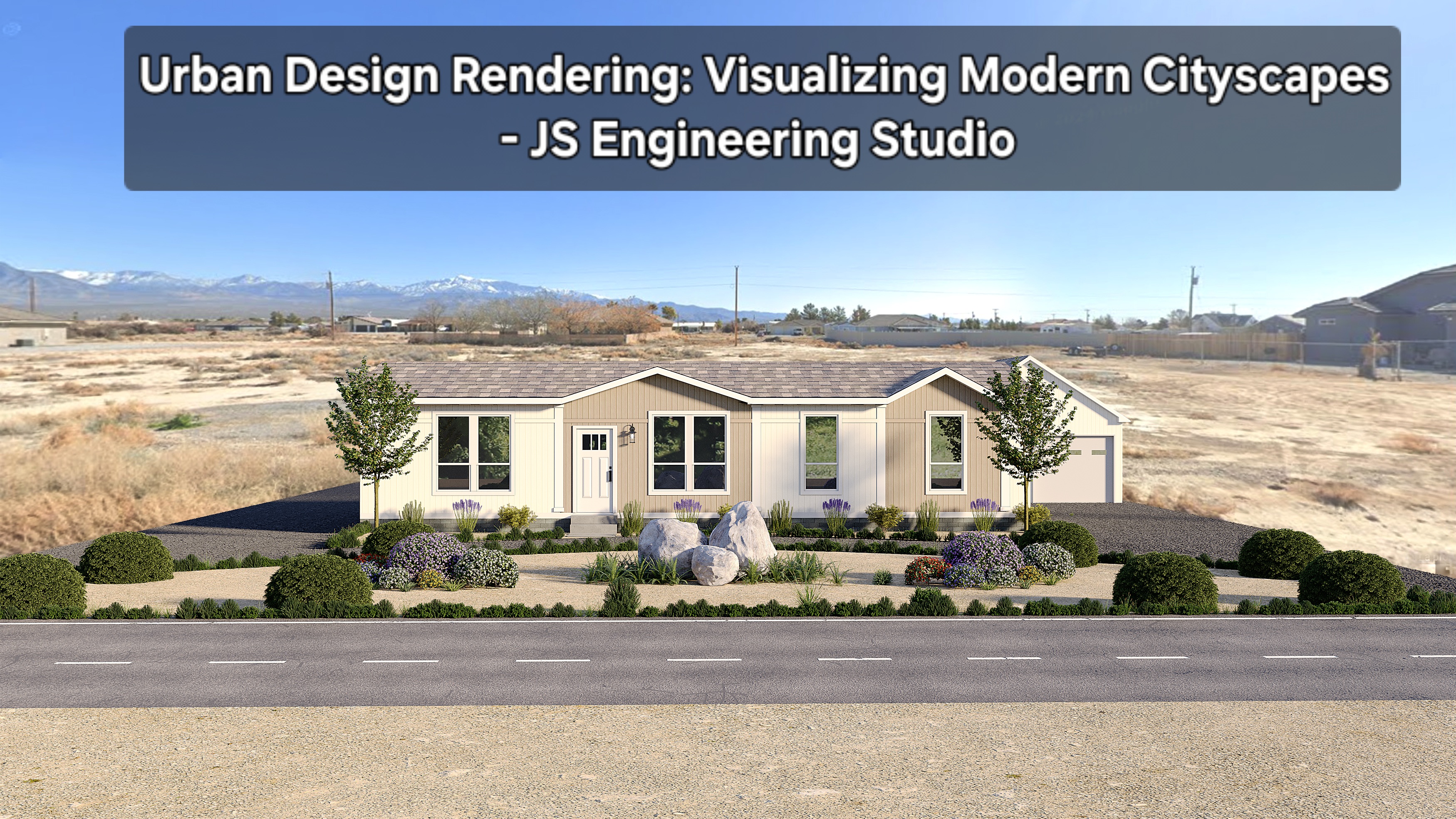
3D Rendering in Urban DevelopmentThese visualizations not only increase the efficiency of project approvals and minimize unexpected issues but also support environmental assessments, encourage public involvement, and aid in risk management.
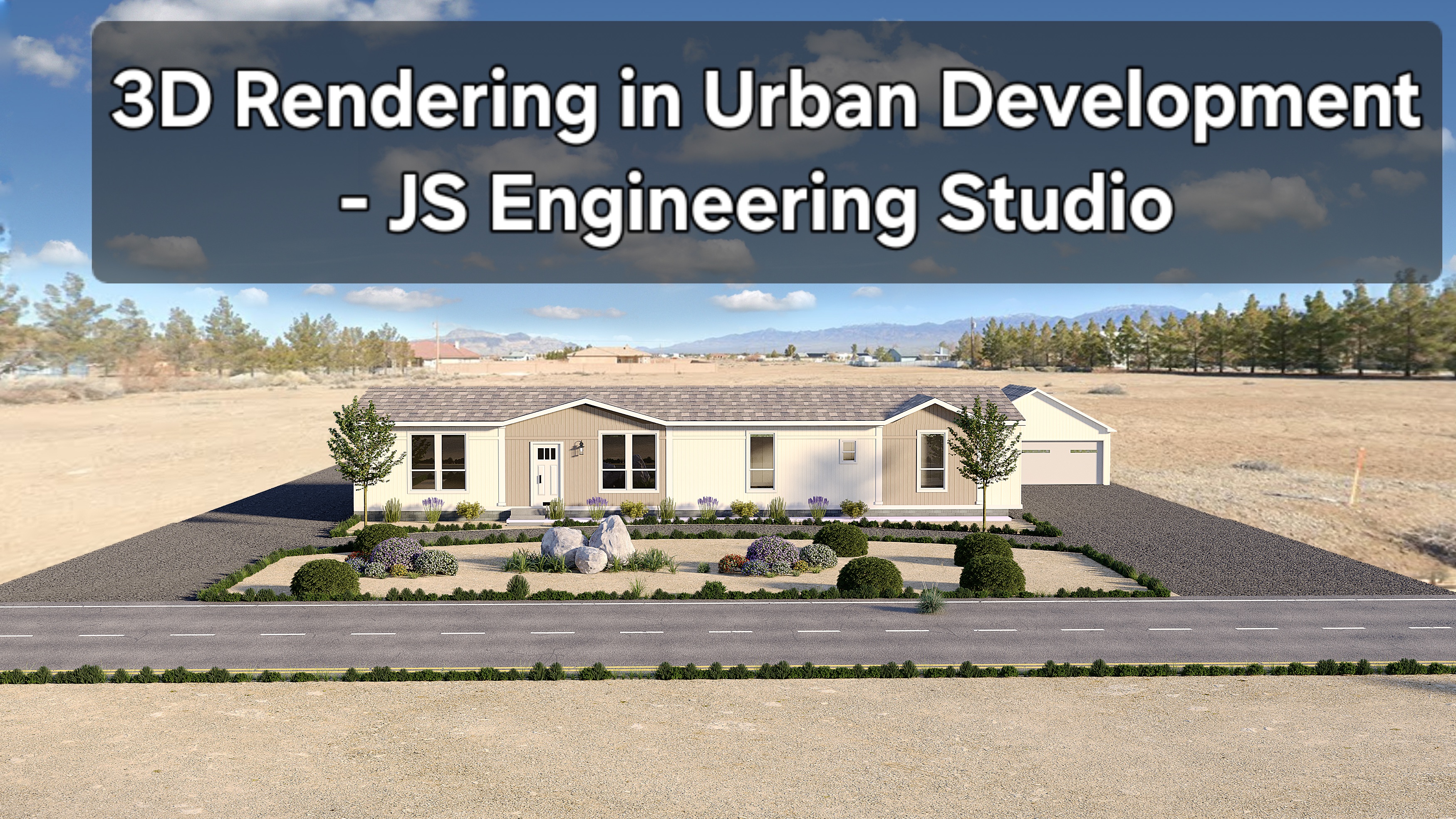
3D Architectural Rendering: Revolutionizing Urban Planning for Future Cities

3D Rendering in Urban Development

Why 3D Rendering Matters in Urban Development

Architectural visualization is essential for modern city development, but it comes with both significant benefits and challenges.

Architectural visualization is essential for contemporary urban development, offering both advantages and obstacles. It improves communication, precision, and design adaptability, resulting in cost reductions and increased project efficiency. Nevertheless, challenges arise in terms of rendering quality, processing speed, and managing extensive datasets.

3D Rendering in Urban Development
#1. Accurate Visualization of City Projects

3D renderings offer a realistic, scaled representation of planned buildings, roads, green spaces, and infrastructure before construction begins. This enables better evaluation of how a new project fits into the existing urban fabric.

#2. Stakeholder Communication and Approval

With detailed visuals, city planners can effectively communicate design intent to government bodies, investors, and the public. Renderings serve as compelling presentation tools during public hearings and funding proposals.

#3. Efficient Planning and Zoning Compliance

Through 3D models, planners can assess how new developments align with zoning laws, sunlight exposure regulations, wind analysis, and more. This leads to smarter, regulation-compliant designs from the outset.

#4. Simulation of Urban Environments

Urban renderings help simulate daily life scenarios — pedestrian traffic, vehicular flow, public transport integration, and green space usability. This enables optimization of infrastructure and public amenities.

#5. Sustainable Development and Smart City Integration

By integrating environmental data and green technologies into 3D city models, developers can plan energy-efficient structures and smart city solutions, including renewable energy placement and intelligent transport networks.

#6. Public Engagement and Transparency

Realistic 3D renders shared via websites, social media, or interactive kiosks allow citizens to explore upcoming projects in their neighborhood. This transparency fosters trust and constructive feedback.

#7. Cost and Risk Reduction

By identifying design flaws, accessibility issues, or aesthetic conflicts early, 3D rendering helps avoid costly revisions and delays during the construction phase.

Key Applications of 3D Rendering in Urban Development

3D Rendering in Urban Development
#1. Masterplan Visualization

Illustrates entire districts or city blocks including transportation networks, utilities, and landscape features.

#2. Heritage Integration

Shows how modern buildings coexist with historical architecture.

#3. Mixed-use Development Design

Communicates the integration of residential, commercial, and recreational spaces.

#4. Infrastructure Projects

Visualizes flyovers, bridges, metro lines, and drainage systems with spatial clarity.

#5. Disaster and Resilience Planning

Simulates the impact of natural calamities or urban expansion on infrastructure.

Future Trends: What’s Next?

#1. Real-Time 3D and VR Walkthroughs

Virtual reality (VR) and real-time 3D walkthroughs are taking renderings a step further by letting users “walk through” neighborhoods and buildings before a single brick is laid.

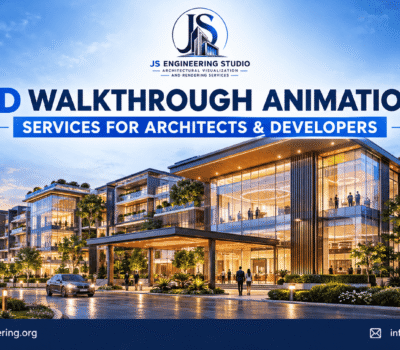
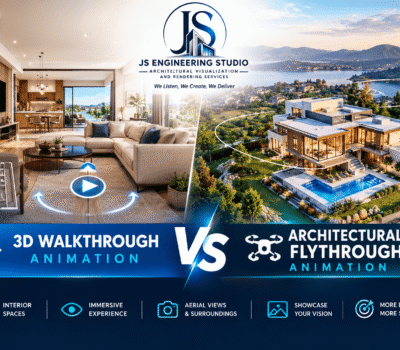
3D architectural walkthrough  provide a dynamic method for visualizing and showcasing architectural designs, usually through animated videos that enable viewers to examine a property from multiple angles, both interior and exterior. These services can prove advantageous for real estate marketing, client presentations, and investor meetings, as they offer a more immersive and engaging experience compared to static images or plans.

#2. AI Integration

AI-powered rendering platforms can analyze terrain, climate data, and demographics to suggest optimized layouts for livability and sustainability.

Conclusion

3D rendering in urban development is not just about creating beautiful images. It’s about enabling smarter, more inclusive, and more sustainable cities. As visualization tools become more advanced and accessible, the future of urban planning will increasingly depend on how well we can render our ideas — visually and collaboratively — into reality.

If you are in search of a comprehensive urban planning rendering service, or require specialized 3D house rendering or site planning, our offerings are designed to cater to the specific needs of your project.

We invite you to Contact us today! or Call us at (743) 333-3347 or get in touch email us at [email protected]