
How 3D Rendering Services Are Used by Architects for Each Stage of a New Project

3D rendering services are employed by architects during every stage of a new project, ranging from the initial design phase to marketing and sales. These services provide a visual representation that improves communication, highlights possible design issues, and facilitates a more efficient overall process.
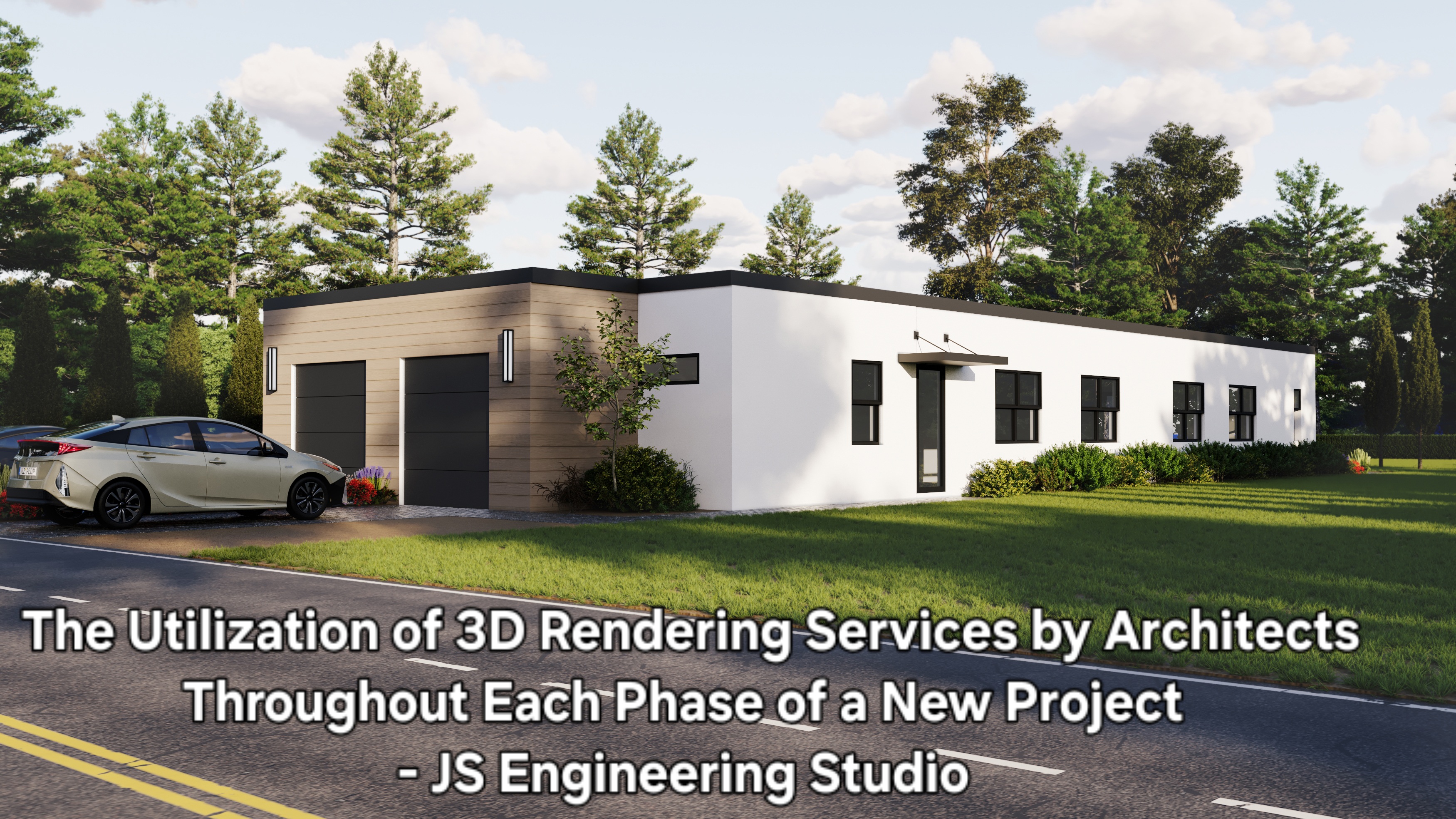
The Utilization of 3D Rendering Services by Architects3D rendering services have become an integral part of the architectural workflow, offering visual clarity, precision, and enhanced communication at every stage of a project. From concept to completion.

RELATED : 3D Renderings Assist Architects, Builders, Realtors and Companies

At the outset, architects employ 3D renderings to conceptualize and enhance their designs, facilitating the early detection of problems and the incorporation of client feedback. Throughout the construction stage, these renderings act as an essential resource for communication with contractors and stakeholders, guaranteeing that all parties are aligned. Ultimately, 3D renderings play a vital role in marketing and sales, offering prospective buyers or investors realistic representations of the completed project.
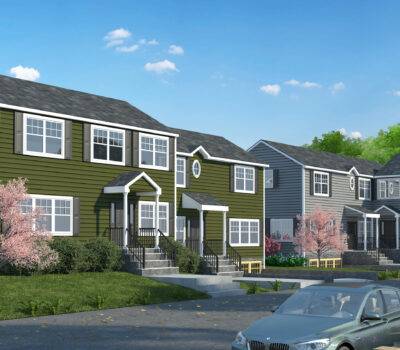
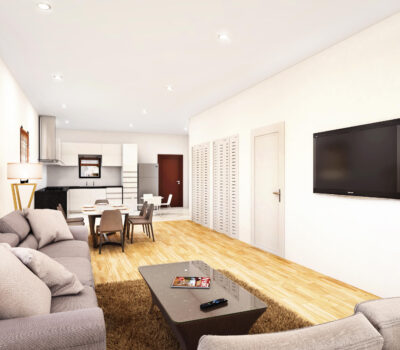
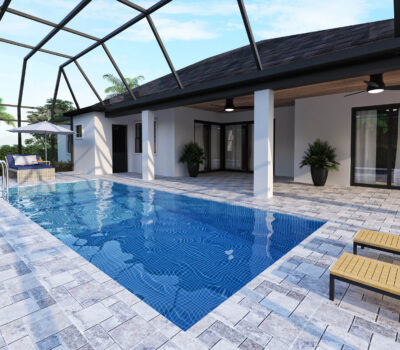
House Rendering Boca Raton Florida

here’s how architects leverage 3D rendering throughout the design and development process :

1. Concept Development Stage

Purpose: To explore and communicate initial design ideas.

How 3D Rendering Helps:

  • Conceptual Renderings: Rough 3D models help visualize massing, scale, and form.
  • Mood Boards with 3D Elements: Early visuals convey the intended atmosphere or style.
  • Rapid Iteration: Architects can quickly test different concepts and shapes.

Benefit: Aligns internal teams and helps clients understand the design direction from day one.

2. Schematic Design Stage

Purpose: To define spatial relationships and basic architectural forms.

How 3D Rendering Helps:

  • Exterior Massing Renders: Show how the building will fit into its environment.
  • Site Context Visualizations: Include surroundings, topography, and lighting conditions.
  • Multiple Angle Views: Provide a well-rounded perspective of the proposed design.

Benefit: Helps get early client approval and input before moving to detailed development.

3. Design Development Stage

Purpose: To refine the design with materials, textures, and detailed elements.

How 3D Rendering Helps:

  • Photorealistic Renderings: Show realistic materials, colors, and lighting.
  • Detailed Exterior & Interior Views: Enhance client engagement and design understanding.
  • Virtual Walkthroughs or Flythrough: Allow stakeholders to experience the space virtually.

Benefit: Reduces uncertainty and allows for adjustments before technical drawings are finalized.

4. Construction Documentation Stage

While construction drawings are still vital, 3D rendering provides clarity and verification.

How 3D Rendering Helps:

  • Helps contractors and construction teams understand complex features.
  • Detects spatial clashes and structural conflicts early.
  • Used to generate 3D construction phasing visuals or exploded diagrams.
✅ Conclusion :

3D rendering services are integral to every phase of an architectural project. They provide clarity during design, support decision-making, reduce misunderstandings, and boost the project’s presentation value. For architects, mastering the use of 3D visualization tools is no longer optional—it’s essential for success in modern design and construction.

If you are in need of expertise for your forthcoming project, kindly reach out to our partners at JS Engineering Studio and their Visualization Services team. Learn more about their 24-hour turnaround time and the services they offer here. You can get in touch with us by sending an email to [email protected]. Alternatively, you may utilize our quotation form to inquire about initiating a new project.